


Two different readers type industrial design into a search box. One means the profession that shapes kettles, bicycles, and phone cases. The other means the registered right that stops a rival from copying that shape. This page covers the second reader, the one filing at the Canadian Intellectual Property Office, known to Canadian founders as CIPO.
A registration protects how a finished article looks: its shape, configuration, pattern, or ornament. It does not cover the idea behind the product, the materials, or the way the thing works. CIPO grants the owner an exclusive right that runs for at least ten years, and the filing fee in 2026 is 607.93 CAD.
Industrial design registration at a glance
| Question | Answer for a Canadian filer |
|---|---|
| What it protects | Shape, configuration, pattern and ornament of a finished article, including colour |
| What it excludes | Ideas, function, materials and methods of construction |
| Where to file | CIPO, online through e-services or by mail to Gatineau |
| Application fee, 2026 | 607.93 CAD |
| Maintenance fee, 2026 | 531.80 CAD, due no later than five years after registration |
| Examination wait | Roughly 6.4 months for filings made in August 2026 |
| Grace period | 12 months from your own public disclosure |
| Term | The later of 10 years from registration and 15 years from filing |
Those numbers move. CIPO adjusts fees every January, and the examination queue shifts month by month, so confirm both on the day you file.
Key takeaways
- Register the look of the product, never the way it works.
- File before you show it, or rely on the 12-month grace period.
- Budget 607.93 CAD to file in 2026, plus 531.80 CAD later to keep the right alive.
- Expect an examiner to reach a new file in roughly 6.4 months.
- Protection ends on the later of 10 years from registration and 15 years from filing.
Two meanings of one term

Designers use the phrase for a craft. Lawyers use it for a property right. Both are correct. The confusion gets expensive when a founder assumes that paying for the drawings also hands over ownership of the shape.
Sort the contract out first. Then file. Most product founders meet both meanings inside a year, and our small business ownership guides cover the wider setup questions, while this page sticks to the filing.
What the right actually protects
Picture the visual impression a shopper takes away from the shelf. That is the thing CIPO examines.
Protection reaches these features of a finished article:
- Shape and configuration, meaning the three-dimensional form
- Pattern and ornament, including colour
- Any combination of those features
What sits outside the right matters just as much:
- The idea or concept behind the product
- How the article functions
- The materials and the method of construction
Filing with CIPO in five steps
The process is administrative, not adversarial. Work through it in order.
- Search the register first. The CIPO design database shows what already sits on file, and a close match found early saves the application fee.
- Prepare the drawings. Line drawings or photographs must show every feature you claim, from enough angles to leave an examiner no doubt.
- Write the description. Name the finished article, then describe the visual features that give it its look.
- File and pay. Apply through CIPO e-services or by mail to Gatineau, with the 607.93 CAD application fee.
- Answer the examiner. An objection comes with a deadline, and a missed deadline turns a live file into an abandoned one.
Fees and timing in 2026
Cost is easy to budget here because the fee schedule is short.
| Fee | 2026 amount | When it bites |
|---|---|---|
| Application | 607.93 CAD | On filing |
| Maintenance | 531.80 CAD | Within five years of registration |
| Late fee on maintenance | 63.00 CAD | If the payment slips past the deadline |
| Delayed registration | 125.00 CAD | If you ask CIPO to hold registration back |
CIPO adjusts these amounts every January under the Service Fees Act. A 1.7 percent increase lands on January 1, 2027, taking the application fee to 618.26 CAD. Timing worries most founders more than the money does, and CIPO forecasted a wait of roughly 6.4 months for examination for filings made in August 2026.
Design right, patent, copyright, or trademark?

Four rights, four jobs. The difference is what each one covers.
| Right | Covers | Typical term |
|---|---|---|
| Registered design | How a finished article looks | 10 to 15 years |
| Patent | How an invention works | 20 years from filing |
| Copyright | Original creative works | Life of the author plus 70 years |
| Trademark | Names and logos that identify a source | 10 years, renewable |
One product can carry all four at once. A kettle might have a protected silhouette, a patented heating element, and a name customers recognize on the shelf. Names and logos follow their own rules, and our brand identity and protection guides cover that side of the question.
How long the exclusive right lasts
The term is not a flat ten years. According to section 10 of the Industrial Design Act, the exclusive right ends on the later of two dates. Those dates are 10 years after registration and 15 years after the filing date. Two clocks run at once. The later one wins.
Keeping the right alive takes a single payment. That maintenance fee falls due no later than five years after registration, and 531.80 CAD in 2026 buys the remainder of the term. Skip it and the registration lapses, which hands the shape back to every competitor who was waiting.
A worked example, start to finish.
Numbers land better with a story attached. Picture a small Winnipeg homeware maker with a stackable planter. She finishes her drawings in March, shows the planter at a spring trade show, then hesitates. Her clock started at that trade show, not at the drawing board.
Filing in August 2026 costs her 607.93 CAD and puts the file in a queue of roughly 6.4 months, so registration arrives in 2027. Five years later she pays 531.80 CAD to maintain the right, which then runs to the later of 10 years from registration and 15 years from filin—herr whole outlay across the term: 1,139.73 CAD, before any professional help.
Mistakes that sink an application
Showing the product too early. Canada gives you 12 months from your own public disclosure, and no more. A trade show, a crowdfunding page, or even a quiet soft launch will start that clock.
Thin drawings. An examiner can only weigh the features your images show. Vague renders invite objections, and objections cost months.
Treating Canada as the world. A CIPO registration bites here, not in the United States or the European Union. Canada joined the Hague System on November 5, 2018. That route lets you file once through WIPO and name several countries, so protecting a product abroad no longer means a separate application in every market.
Ignoring the sales channel. Direct sellers need the launch date and the filing date to line up. Our online retail and payments guides cover the launch checklist that sits either side of it.
What to do next
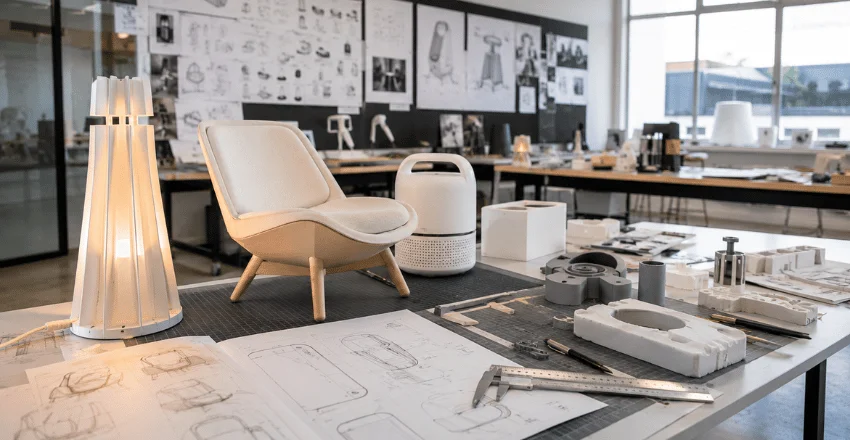
Photograph the product properly, run a search on the CIPO register, and file before the launch date rather than after it. Canada runs a first-to-file system, so whoever files first wins. Bizverra publishes plain guides for Canadian founders who would rather understand the paperwork than pay someone to explain it twice.
Frequently asked questions
Ten years from registration, or fifteen years from the filing date, whichever ends later. One maintenance payment inside five years of registration keeps it running to the end.
Yes. CIPO accepts applications directly from owners, and its e-services portal walks through the fields. Complex portfolios still repay professional help, mostly because the drawings decide the scope of the right.
You have 12 months from that first disclosure to file in Canada. After the window closes, your own launch counts against novelty, and CIPO will refuse the application.
No. Rights stop at the border. Use the Hague System, or file nationally in each market that matters to your sales plan.
Color and pattern both count as protectable features, but only as applied to a finished article. Neither one qualifies as floating free of a product.